

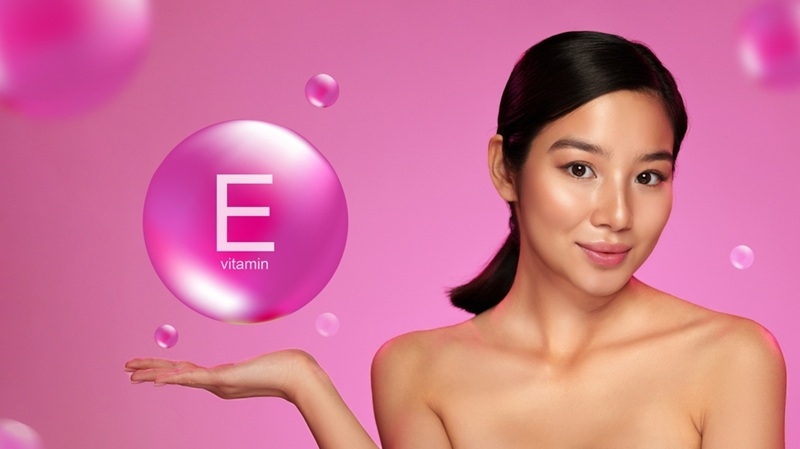
Healthy skin and hair rarely come from quick fixes. They’re built slowly, through habits, nutrients, and a bit of patience. Vitamin E often gets mentioned in that conversation, and for good reason. From supporting moisture and softness to helping hair feel stronger and skin look more balanced, it plays a quiet but meaningful role. This blog breaks down Vitamin E benefits for skin, hair, and natural glow in a practical, no-nonsense way, so you know what truly helps and what’s just hype.
Healthy skin is rarely about one magic product. It’s usually a mix of habits, nutrients, and a little patience. Still, some ingredients quietly do a lot of heavy lifting. Vitamin E is one of them. You’ll see it in moisturizers, hear about it in supplements, and spot it on ingredient labels at Target or CVS.
Skin barriers take a beating. Sun, wind, dry indoor heat, stress, late nights. Vitamin E for skin helps soften that blow by supporting the skin’s natural defense system. It’s fat-soluble, which means it works well with the skin’s own oils. That’s why it shows up so often in creams meant for dry or sensitive skin.
People often ask, " Is vitamin E good for skin when it already feels okay? Honestly, yes. Even balanced skin deals with micro stress every day. Vitamin E helps keep things steady instead of fixing problems after they show up.
Some moisturizers feel nice for ten minutes and then vanish. Vitamin E behaves differently. It helps slow moisture loss, especially during winter or in dry states like Arizona or Colorado. When skin holds onto water better, it looks smoother and feels calmer. No drama. Just steady hydration.
Wrinkles don’t appear overnight. They creep in slowly. Fine lines around the eyes, a little dullness, and less bounce. Benefits of vitamin E include supporting skin elasticity and softness, which can make early aging signs look less obvious. It’s not about erasing lines. It’s about aging with less stress.
Don't Miss: Nighttime Skincare Ritual for Glowing and Healthy Skin
Using Vitamin E doesn’t require a 12-step routine or fancy tools. It’s more about placement and consistency. Let me explain how it usually works best in real life.
Most people meet Vitamin E through skincare products first. Lotions, night creams, lip balms. Applied at night, it helps support skin repair while you sleep. If your skin leans oily, lighter formulas matter. Vitamin E doesn’t have to feel heavy if it’s blended well.
This one sparks debate. Vitamin E capsules for skin are popular, especially on social media. Some people puncture the capsule and apply the oil directly. It can work for very dry patches or scars, but it’s not for everyone. Acne prone skin may clog easily. A patch test saves regret here.
Taking capsules orally is different. When used as a supplement, Vitamin E supports skin from within. Many Americans get it through diet already, but some need extra, especially during colder months.
Hair care isn’t just about shampoo. Scalp health sets the tone. Vitamin E for hair focuses more on the environment where hair grows than the strands themselves.
Dry scalp, flaking, tightness. These issues make hair care frustrating fast. Vitamin E helps nourish the scalp and support circulation. A healthier scalp often feels less itchy and looks more balanced. And yes, that can affect how hair behaves over time.
Vitamin E oils and serums are often used sparingly on hair ends. A drop or two can soften texture and add shine, especially for curly or textured hair. Think polish, not oil slick. Less really is more here.
Let’s be honest. Vitamin E for hair won’t suddenly give you inches overnight. What it can do is support conditions that make hair feel stronger and less brittle. Over months, that adds up. Slower breakage feels like growth, and in many cases, it is.
Read More: Sunscreen Skincare Essential for Daily Skin Protection
Glow is a vague word, but everyone knows it when they see it. It’s not shimmer or makeup. Its skin looks rested and even-toned. Vitamin E plays a supporting role here, not a starring one.
Foods rich in Vitamin E include almonds, sunflower seeds, spinach, and avocados. These foods show up in a lot of trendy wellness bowls for a reason. When your body gets enough antioxidants, skin often reflects that balance. Not instantly, but gradually.
Winter skin needs more support. Summer skin deals with sun stress. Vitamin E for skin adapts well across seasons. In colder months, it supports moisture retention. In warmer months, it helps skin recover after sun exposure, especially when paired with sunscreen.
Using Vitamin E once a week won’t change much. Small daily habits matter more. A cream at night. A balanced diet. Enough water. Glow comes from repetition, not intensity.
Vitamin E is gentle, but more isn’t always better. Here’s where common sense comes in.
People with very acne-prone skin should test topical Vitamin E slowly. Those on blood-thinning medications should talk to a healthcare provider before taking high-dose supplements. It’s a nutrient, not candy.
Most adults in the US meet their daily needs through food. Supplements can help when diet falls short, but megadoses rarely bring extra benefits. Balance keeps things simple.
Also Read: Seasonal Skincare Adjustments for a Healthy and Glowing Skin
Vitamin E benefits for skin, hair, and glow aren’t flashy. They’re steady, supportive, and quietly effective. It works best when paired with decent sleep, simple skincare, and realistic expectations. You don’t need to overhaul your routine. Sometimes, adding one thoughtful ingredient is enough to feel the difference over time.
Yes. Vitamin E supports moisture retention and skin comfort, even when your routine already feels solid.
Topical use should be occasional and patch tested. Oral supplements are better taken as directed.
It supports scalp health, which may reduce breakage, but it won’t stop medical hair loss.
Most people notice texture and comfort changes within a few weeks, withthe glow improving over months.
This content was created by AI